
Hi Security researchers,
This is the story of how a simple revisit to a website turned into full AWS access, database backups, and accidental exposure of a cricket team’s internal data - all because nobody bothered to fix the bugs I reported years ago.
Relax, sit back. This one’s wild. 🏏💥
All findings were responsibly reported and fixed.
This write-up exists purely for educational and awareness purposes.
🕸️ Flashback: October 2021
In October 2021, I reported some solid vulnerabilities on chennaisuperkings.com:
- Authentication bypass
- SQL injection
- PII exposure
Serious stuff.
I waited for a response…
And waited…
Absolutely nothing.

⏳ May 29, 2022 — One Year Later
Out of curiosity (and maybe a little frustration), I revisited the site.
Guess what changed?
NOTHING.
While scrolling through Burp Suite traffic, something popped into my eyes like a flashbang - an API response casually leaking full AWS credentials.
Yup. Right there. In plaintext.
{
  "result": {
    "AWS_S3_REGION": "ap-south-1",
    "IMAGE_NAME": "image.jpg",
    "AWS_S3_BUCKET": "XXXXXX",
    "AWS_S3_ACCESS_KEY_ID": "AKIXXXXXXXXXXXXXXXAQ",
    "AWS_S3_SECRET_ACCESS_KEY": "Secret-key",
    "AWS_S3_FAN_PAGES_PATH": "path"
  },
  "status": "SUCCESS"
}
This is never supposed to be exposed to the client.
Exploring the AWS Account
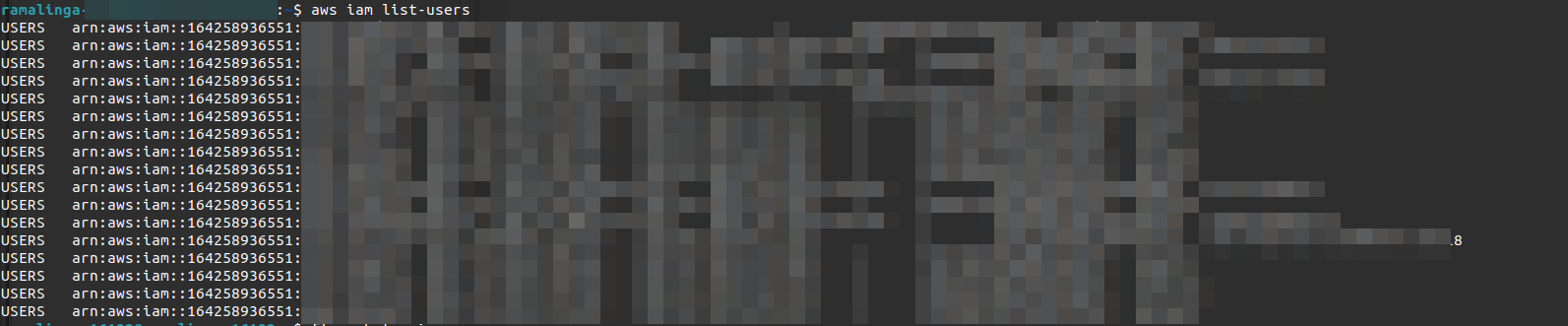
With these leaked credentials, it became evident that the IAM policies were overly permissive.
I was able to list IAM users:
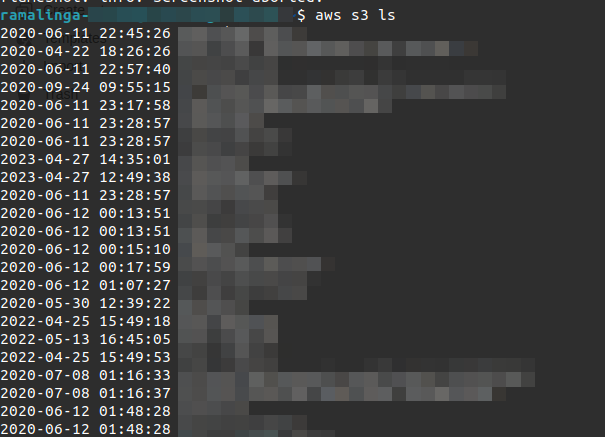
The AWS account contained multiple S3 buckets:
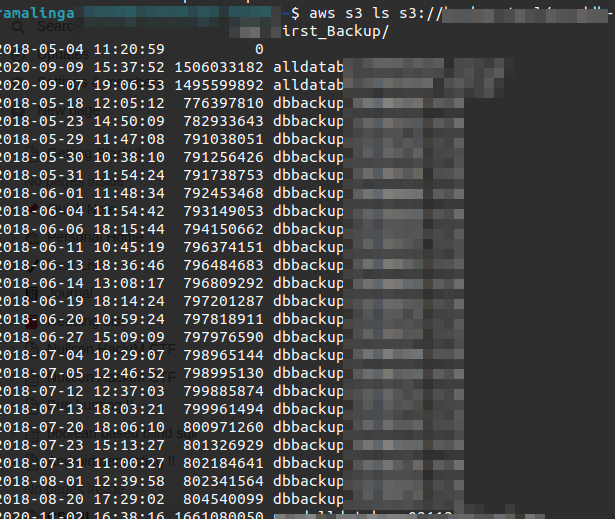
And several SQL database backup files:

Sensitive Data Exposure
Inside one of the database backups, sensitive personal information was exposed - including the contact details of players and staff.
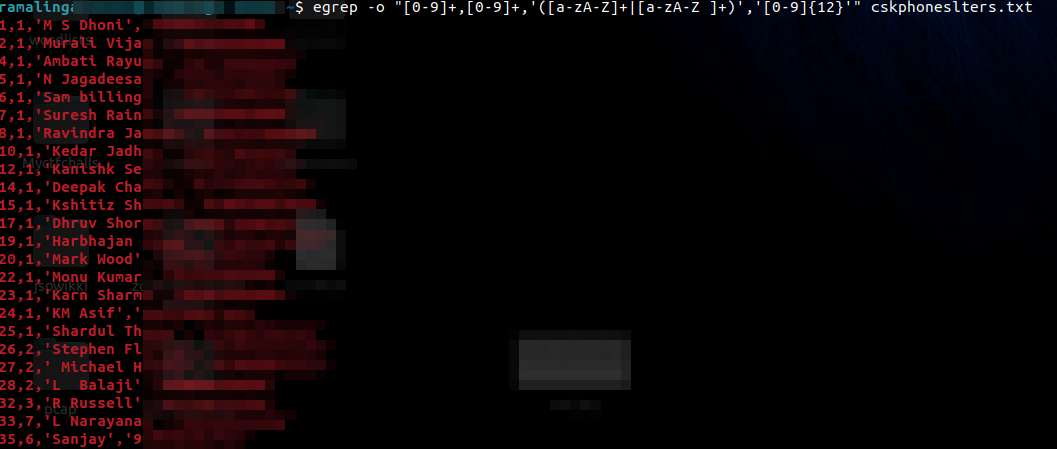
The leaked phone numbers even matched public caller databases.

Potential Impact
If discovered by a malicious actor, these vulnerabilities could have enabled:
Full access to S3 buckets
Download of complete database backups
PII harvesting
Targeted phishing/social engineering
Tampering or deletion of data
Uploading malicious files to S3
Compromising site assets or user data
This wasn’t just a minor misconfiguration - It was a complete cloud compromise risk.